In this guide, we are going to dive deep into the world of Content creation. Whether you are launching a personal blog, starting a newsletter, or simply trying to improve your digital communication, we have compiled the ultimate beginner content tips to help you transform your rough ideas into polished, “FEATURED” worthy articles.
The Foundation: Empathy First, Words Second
Before we look at the technical structure of a blog post, we must address the philosophical core of great content. Many beginners make the critical mistake of writing entirely for themselves. They treat their digital platforms like a personal diary, detailing their days or their thoughts without considering the person on the other side of the screen.
While personal expression is important, successful online content is built on empathy. Before you type your first word, you must ask yourself: Who am I writing this for, and what value are they getting out of it?
Are you teaching them a new skill? Are you providing comfort during a difficult time? you’ve entertaining them with a humorous story? Every piece of content must have a clear, definable purpose. If you can identify the specific problem you are solving for your reader, the actual writing process becomes exponentially easier. Understanding your reader’s mindset is one of the most crucial beginner content tips you can master, as it acts as a compass for every sentence you write.
Beginner Content Tips for Brainstorming Ideas
Writer’s block usually happens not because you have nothing to say, but because you have not narrowed down your focus. Here are a few ways beginners can consistently generate great content ideas:
1. The “Frequently Asked Questions” Method
Think about the topics you are passionate about. What questions do your friends, family, or colleagues constantly ask you regarding those topics? If people in your real life are asking you these questions, thousands of people on the internet are searching for those exact same answers.
2. Consume Content Critically
You cannot be a great writer if you are not an avid reader. Look at the articles, books, and newsletters you naturally gravitate towards. Analyze them. Why did you click on that article? What kept you reading? By deconstructing the content you enjoy, you can reverse-engineer those elements and apply them to your own work.
3. The Brain-Dump Strategy
Do not try to edit and write at the same time. These utilize two entirely different parts of your brain. When you have an idea, spend ten minutes just “brain-dumping” every thought, concept, and bullet point onto the page without worrying about grammar, spelling, or flow. Once the raw material is on the page, you can put on your editor’s hat and start shaping it.
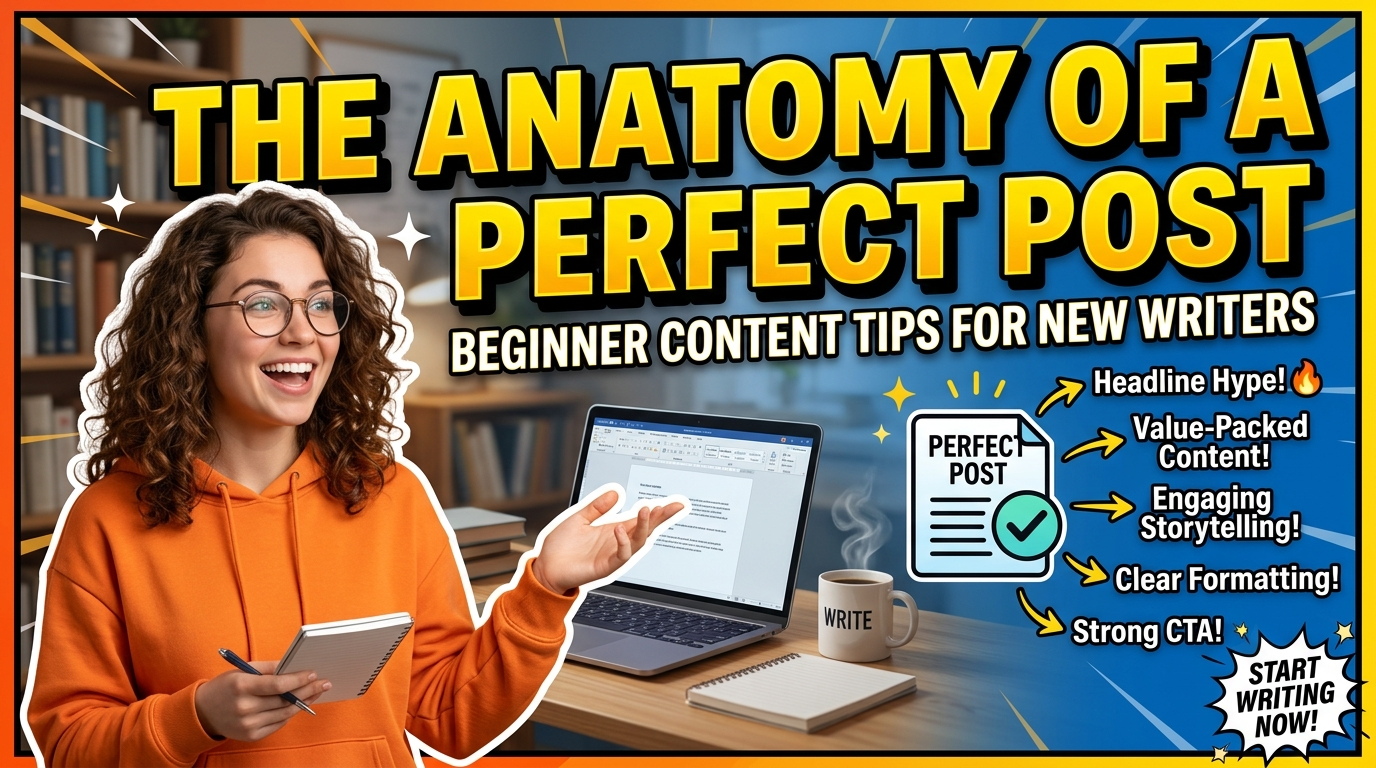
The Anatomy of a Perfect Blog Post
Once you have your core idea, it is time to build the structure. A well-crafted article is like a well-built house; it requires a solid foundation, clear pathways, and an inviting atmosphere. Here is the blueprint for formatting your content.
The Magnetic Headline
Your headline is the most important part of your article. You could write the most profound, life-changing piece of content in history, but if the headline is boring, no one will click on it. A great headline promises a specific benefit and invokes curiosity.
- Weak Headline: “Things About Baking”
- Strong Headline: “5 Common Baking Mistakes Ruining Your Chocolate Chip Cookies (And How to Fix Them)”
The Engaging Introduction (The PAS Formula)
You have roughly three to five seconds to convince a reader to stay on your page. The best way to hook them is by using the PAS formula: Problem, Agitate, Solve.
- Problem: Identify the specific issue the reader is facing. (“Are your homemade cookies always turning out flat and hard?”)
- Agitate: Remind them of how frustrating that problem is. (“There is nothing worse than spending hours in the kitchen, only to pull out a baking sheet of burnt, unappetizing discs.”)
- Solve: Introduce your article as the ultimate solution. (“In this post, we will uncover the exact temperature tweaks you need to bake bakery-style cookies every time.”)
The Scannable Body
People do not read on the internet; they skim. If a reader lands on your article and sees massive, unbroken blocks of text, they will feel overwhelmed and leave. To make your content accessible, you must format it for scannability.
- Use Subheadings (H2s and H3s): Break your article down into logical sections. A reader should be able to scroll through your subheadings and get a general summary of your entire post.
- Keep Paragraphs Short: Aim for a maximum of three to four sentences per paragraph. White space is your friend.
- Utilize Bullet Points: Lists are incredibly easy for the brain to process quickly.
- Bold Key Concepts: Highlight the most important takeaways in bold text so that even the fastest skimmers walk away with value.
The Resonant Conclusion
Never just let your article abruptly end. A strong conclusion summarizes the main points you discussed and tells the reader exactly what to do next. This is where you place your Call-to-Action (CTA). Whether you want them to leave a comment, share the article with a friend, or subscribe to your newsletter, give them clear instructions on what their next step should be.
Elevating Your Post to “FEATURED” Status
As you practice and implement these beginner content tips, you will eventually want to take your writing to the next level. How do you transition from writing standard blog posts to crafting elite, FEATURED editorial pieces that publications want to highlight on their front pages?
1. Depth Over Breadth
Instead of writing a surface-level article about ten different things, choose one highly specific thing and go incredibly deep. Featured content is authoritative. It leaves no stone unturned and answers every possible question a reader might have about that specific sub-topic.
2. Add Original Research or Anecdotes
The internet is full of copycat content. If you just rewrite what is already on Wikipedia, your content has no unique value. To make your content “Featured-worthy,” you must inject something that no one else has: your personal experience. Share a story of a time you failed. Conduct a small poll among your peers and share the data. Originality is the hallmark of featured content.
3. Polish with Ruthless Editing
First drafts are supposed to be messy, but your final published piece should be pristine. Before hitting publish, read your article out loud. This is the ultimate test for flow and rhythm. If you find yourself stumbling over a sentence when speaking it, your reader will stumble over it in their head. Cut out filler words like “very,” “really,” and “just.” Make your sentences punchy and intentional.
Conclusion
Mastering the art of writing for the web is a journey of continuous learning. Every great writer started exactly where you are today—staring at a blank screen, wondering how to begin.
By prioritizing empathy, structuring your posts for scannability, and practicing these essential beginner content tips, you will quickly move past the initial learning curve. Don’t let perfectionism paralyze you. The most important step in content creation is simply having the courage to hit the “Publish” button. Write consistently, study your craft, refine your voice, and soon enough, you will be producing “FEATURED” content that captivates, educates, and inspires.